Discover Harbourfront
Neighbourhood overview
What is it like living in Harbourfront?
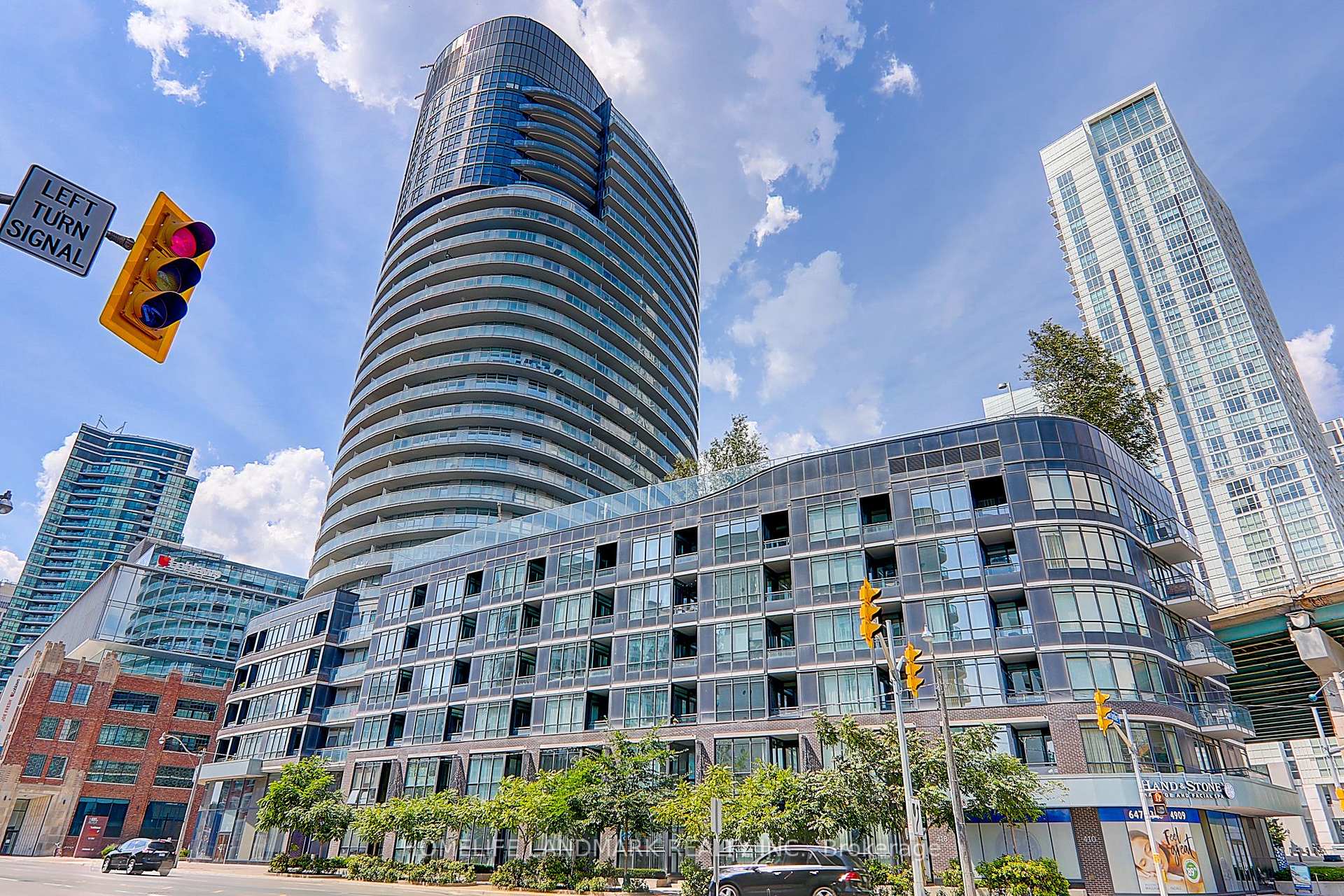
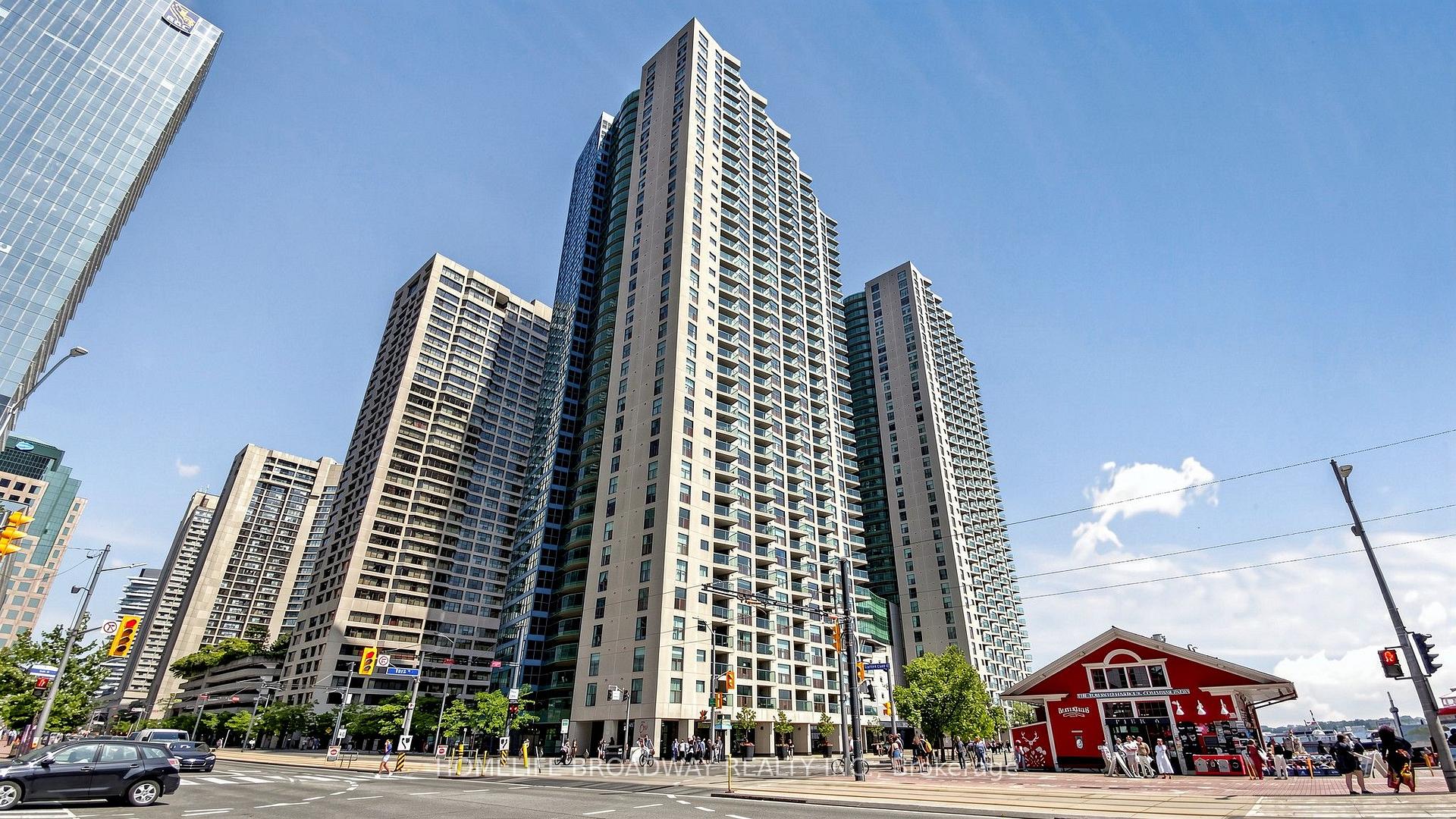
The City of Toronto statistical profile used for this guide covers 28,135 residents in 16,550 households. Apartments dominate the housing stock at 100 per cent of dwellings, led by high-rise apartments at 100 per cent. About 40 per cent of households own their home.
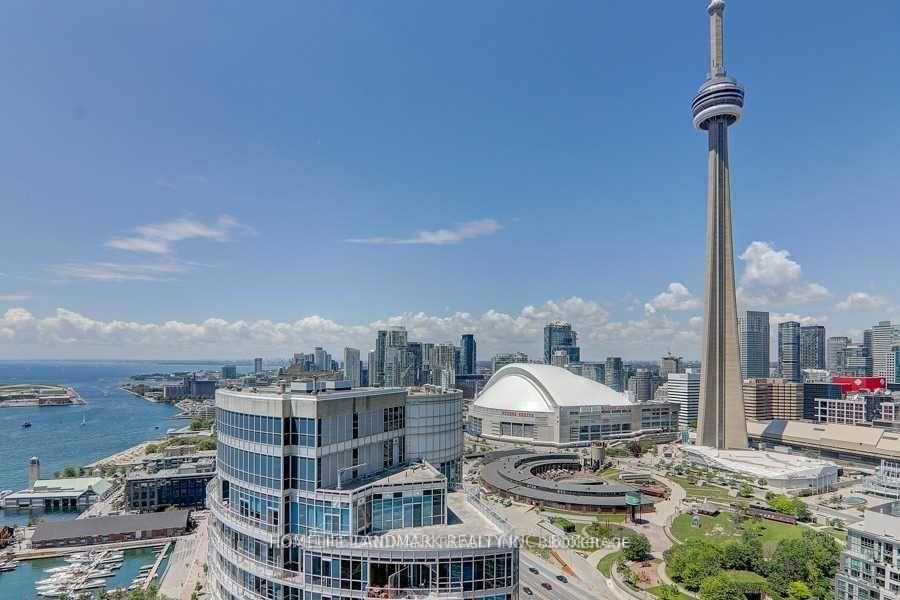
Most daily errands here can be done on foot. Local anchors include Boxcar Social, Butcher Chef, Coppa's Fresh Market and Rabba.
On the move
How easy is it to get around Harbourfront?
Walk Score rates Harbourfront on a 100-point scale for walking, transit and cycling. Exact travel time depends on the address, time of day and service conditions.

Walk Score
Errands on foot

Transit Score
Access to public transit

Bike Score
Errands by bike
From Harbourfront to the places that matter
Enter a destination to see the route for
your chosen travel mode.

Buying & selling
How is the Harbourfront real estate market?
Sale Price $727,000
Homes Sold 295
Days on Market 41
As of March 2026, TRREB's C01 market area recorded 295 condo sales across Waterfront Communities C1. The average sale price was $727,000 and homes averaged 41 days on market. These are area-level figures, not a valuation of any individual property.





Education
What schools are in Harbourfront?
Boards assign a home school per address, so two houses on the same street can be served differently, and boundaries, programs and enrolment rules change. Look up your exact address with the board before it matters.
| JK-8 | Public | The Waterfront School | 6.6/10 Provincial rank 1,137 of 3,052 |
| JK-8 | Public | Jean Lumb Public School | 7.3/10 Provincial rank 702 of 3,052 |
| JK-6 | Public | Island Public/Natural Science School | 6.1/10 Provincial rank 1,495 of 3,052 |
| JK-8 | Public | Market Lane Junior and Senior Public School | 5.1/10 Provincial rank 2,155 of 3,052 |
| JK-8 | Catholic | Bishop Macdonell Catholic School | 8.7/10 Provincial rank 161 of 3,052 |
| JK-6 | Public | Downtown Alternative School | 8.0/10 Provincial rank 351 of 3,052 |
| JK-8 | Catholic | St Michael Catholic School | Not ranked Not included in the Fraser report |
| JK-6 | Public | ALPHA Alternative Junior School | Not ranked Not included in the Fraser report |
| 9-12 | Public | Harbord Collegiate Institute | 7.5/10 Provincial rank 142 of 747 |
| 9-12 | Public | Jarvis Collegiate Institute | 4.1/10 Provincial rank 649 of 747 |
Find the School Assigned to an Address
Each address is assigned to a specific public school, and boundaries can vary by street. Always confirm the designated school with the local school board. Private schools have separate admission requirements.
Community profile
Who lives in Harbourfront?
The City of Toronto statistical profile used for this guide covers 28,135 residents in 16,550 households, with an average household size of 1.7, an average age of 34.8 and a median household income of $90,000. Select any segment to read what it represents.
Community statistics use the City of Toronto's Harbourfront-CityPlace neighbourhood profile. This statistical area does not define Harbourfront's exact neighbourhood boundary.
Parks, shops & local favourites
What is there to do in Harbourfront?
A glimpse of what you'll find around the neighbourhood. Open the full directory to explore more local places.
Restaurants & dining 8
Grocery & shopping 8
Gym & fitness 3
Recreation & parks 8
Frequently asked questions
Questions about Harbourfront
What are the boundaries of Harbourfront?
No single boundary is used by every resident, service or data source. For the community statistics on this page, HomeLife combines the City of Toronto's Harbourfront-CityPlace profile, which describes 28,135 residents.
What types of homes are found in Harbourfront?
High-rise apartments make up about 100 per cent of dwellings and row houses about 0 per cent. About 60 per cent of households rent rather than own, so the mix of tenure and building type changes noticeably from street to street.
Is Harbourfront a good neighbourhood for families?
About 12 per cent of households include children, and the average household size is 1.7. This guide lists 1 nearby schools across the elementary, middle and secondary tiers. Suitability still depends on the exact address, school eligibility, housing budget and commute.
How do people get around Harbourfront?
Harbourfront's Walk Score ratings are walking 94, transit 99 and cycling 85 on the 100-point scale. Actual travel time depends on the address, the time of day and service conditions.
What is the Harbourfront housing market like?
TRREB's C01 market area recorded 297 sales across Waterfront Communities C1, with an average sale price of $727,655 and an average of 41 days on market. These are area-level figures, not a valuation of any individual property.
Who lives in Harbourfront?
Median household income in the City profile is $90,000, and 69 per cent of residents aged 25 to 64 hold a bachelor's degree or higher. The community section on this page breaks the figures down further.