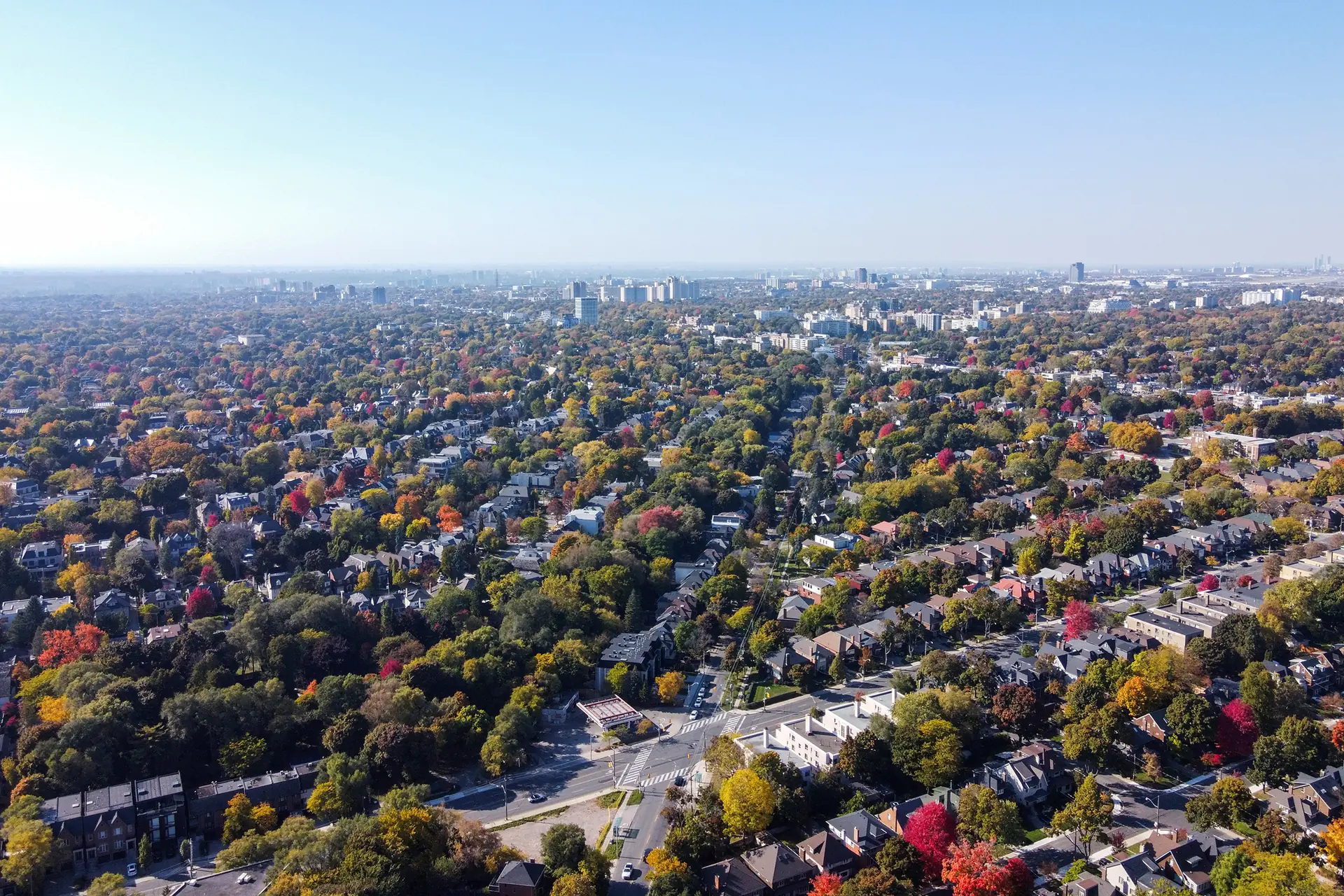
Discover Forest Hill
Neighbourhood overview
What is it like living in Forest Hill?
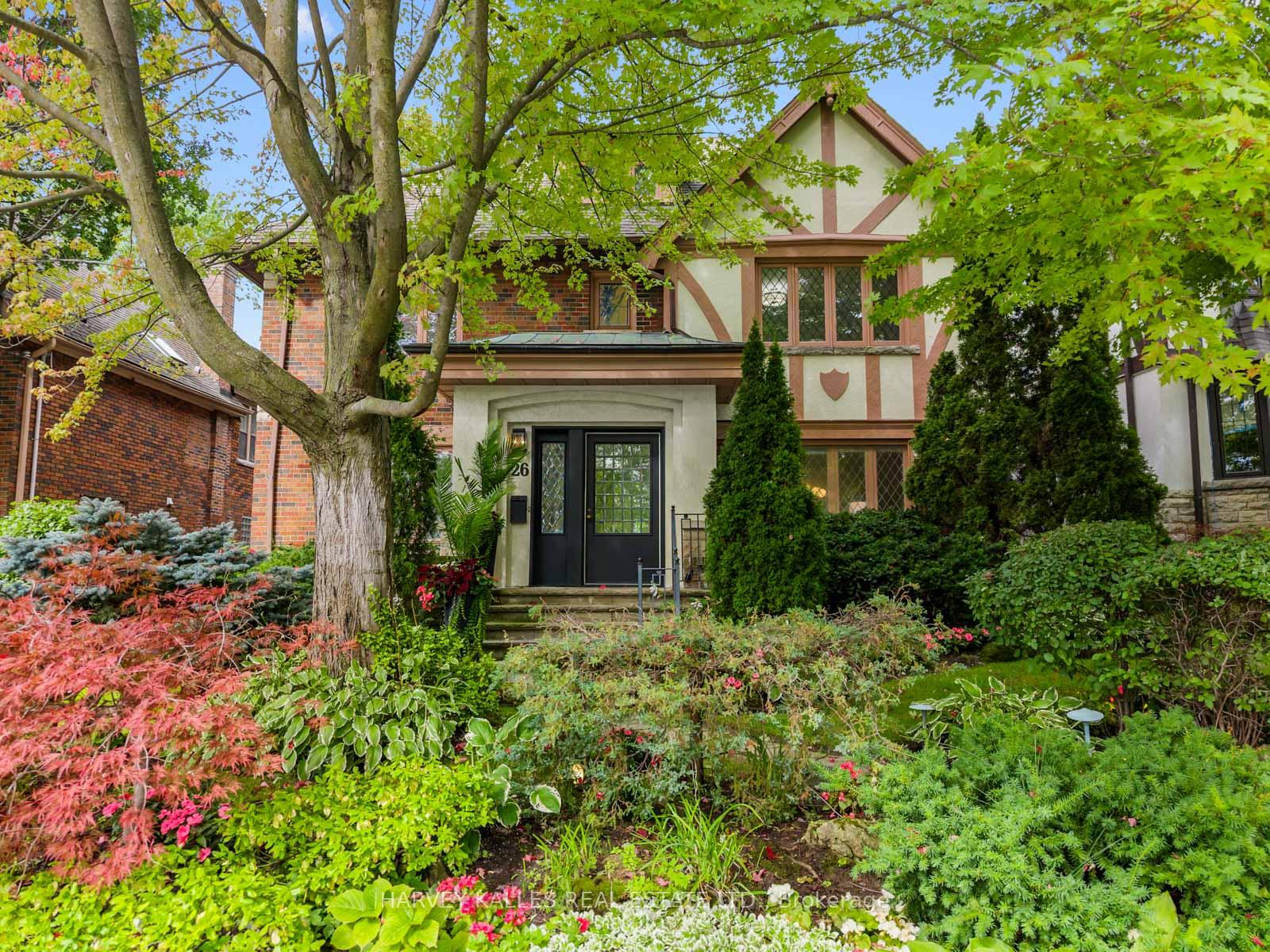
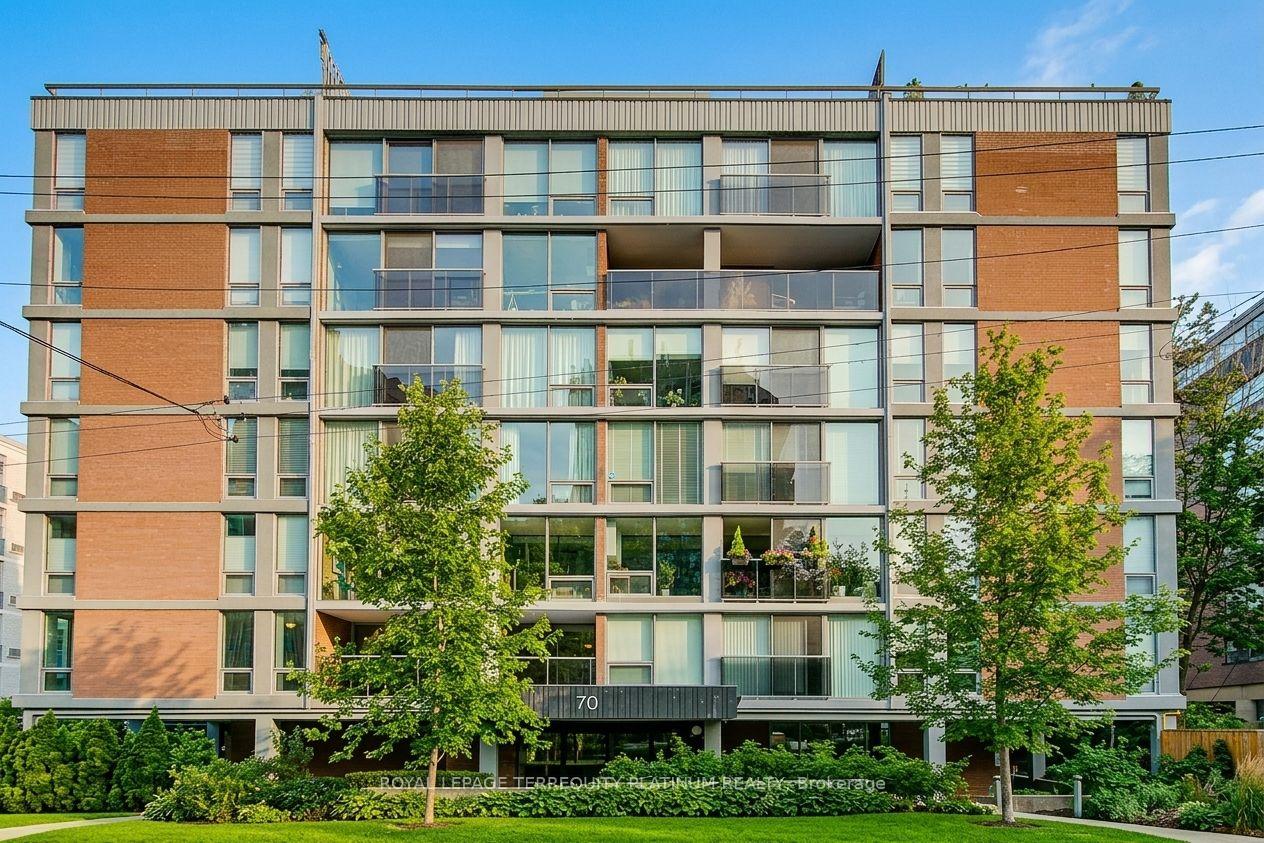
The City of Toronto statistical profiles used for this guide cover 23,150 residents in 10,325 households. The housing stock is split, with high-rise apartments at 53 per cent of dwellings and detached houses a further 30 per cent. About 42 per cent of households own their home.
Everyday errands are walkable from much of the area. Local anchors include Banfi, Cafe de Flore, Loblaws and Forest Hill Village Gym.
On the move
How easy is it to get around Forest Hill?
Walk Score rates Forest Hill on a 100-point scale for walking, transit and cycling. Exact travel time depends on the address, time of day and service conditions.

Walk Score
Errands on foot
Transit Score
Access to public transit
Bike Score
Errands by bike
From Forest Hill to the places that matter
Enter a destination to see the route for
your chosen travel mode.

Buying & selling
How is the Forest Hill real estate market?
Sale Price $2,902,286
Homes Sold 14
Days on Market 9
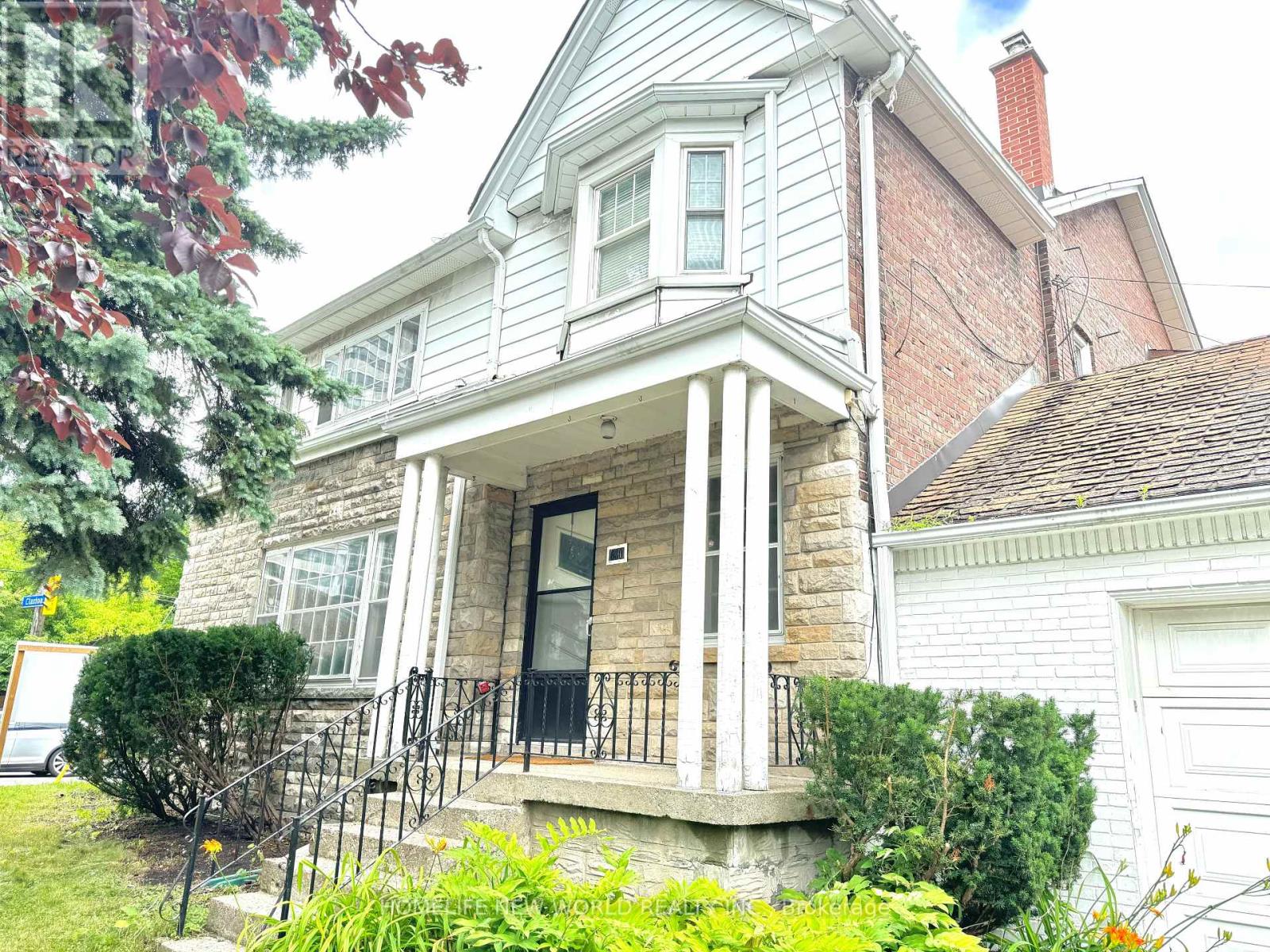
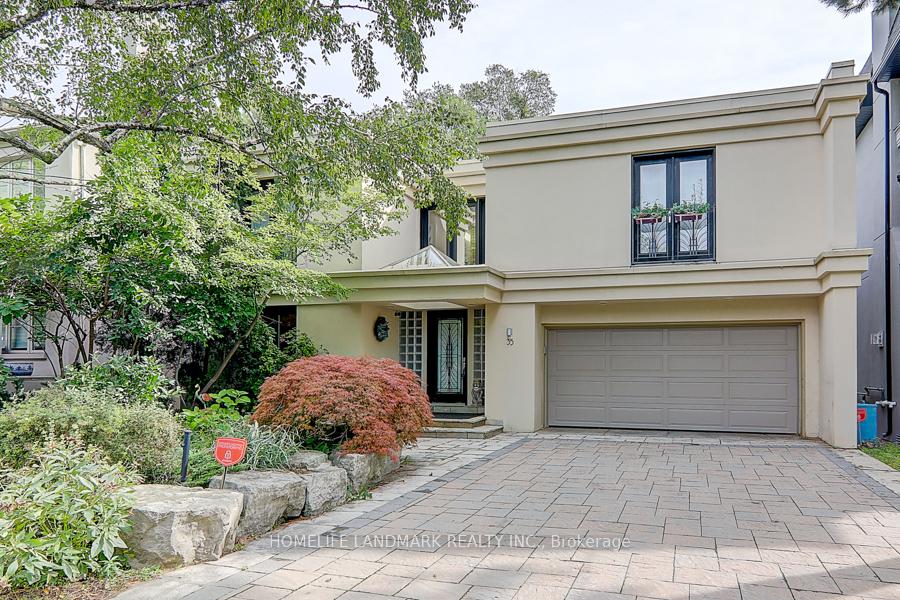
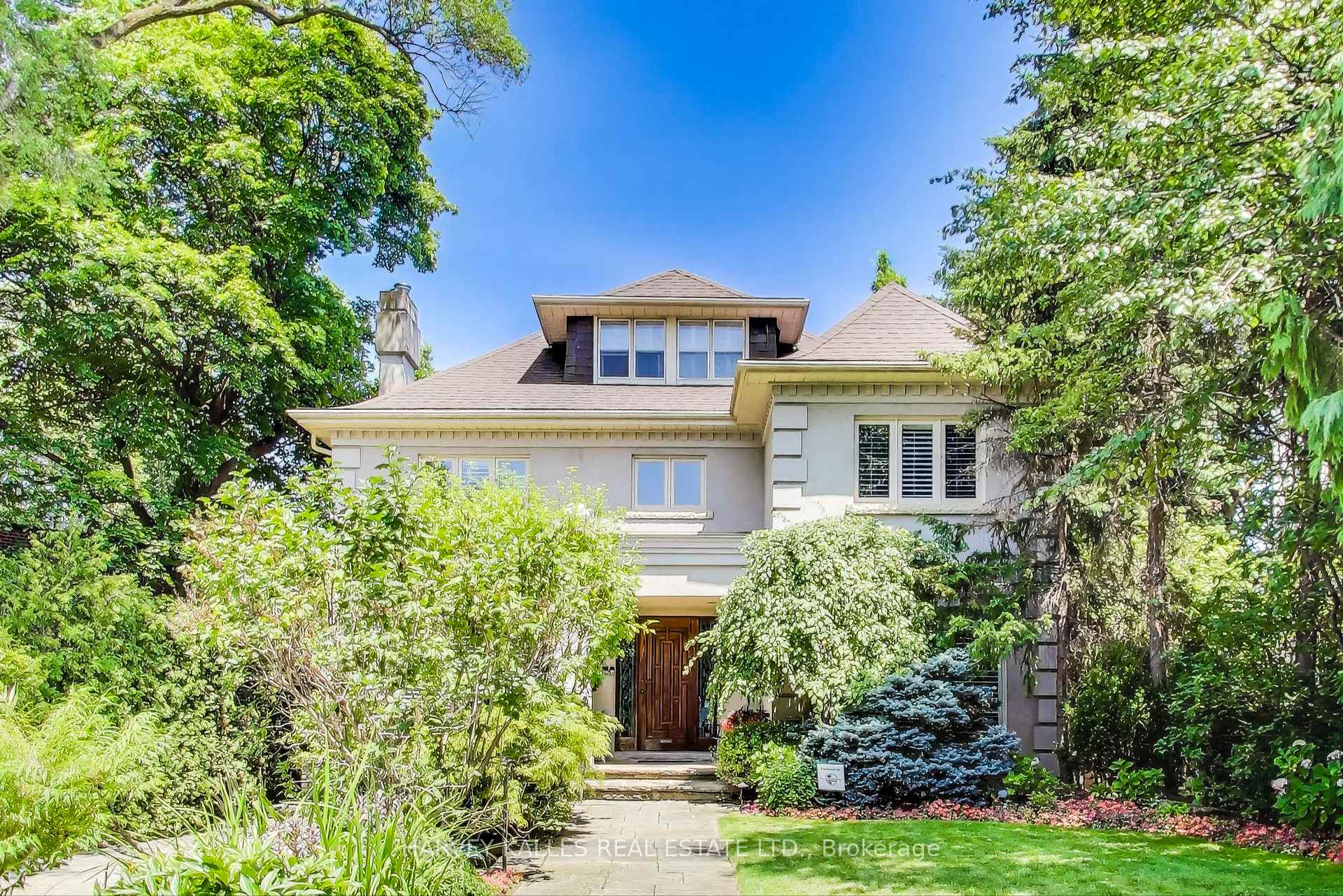
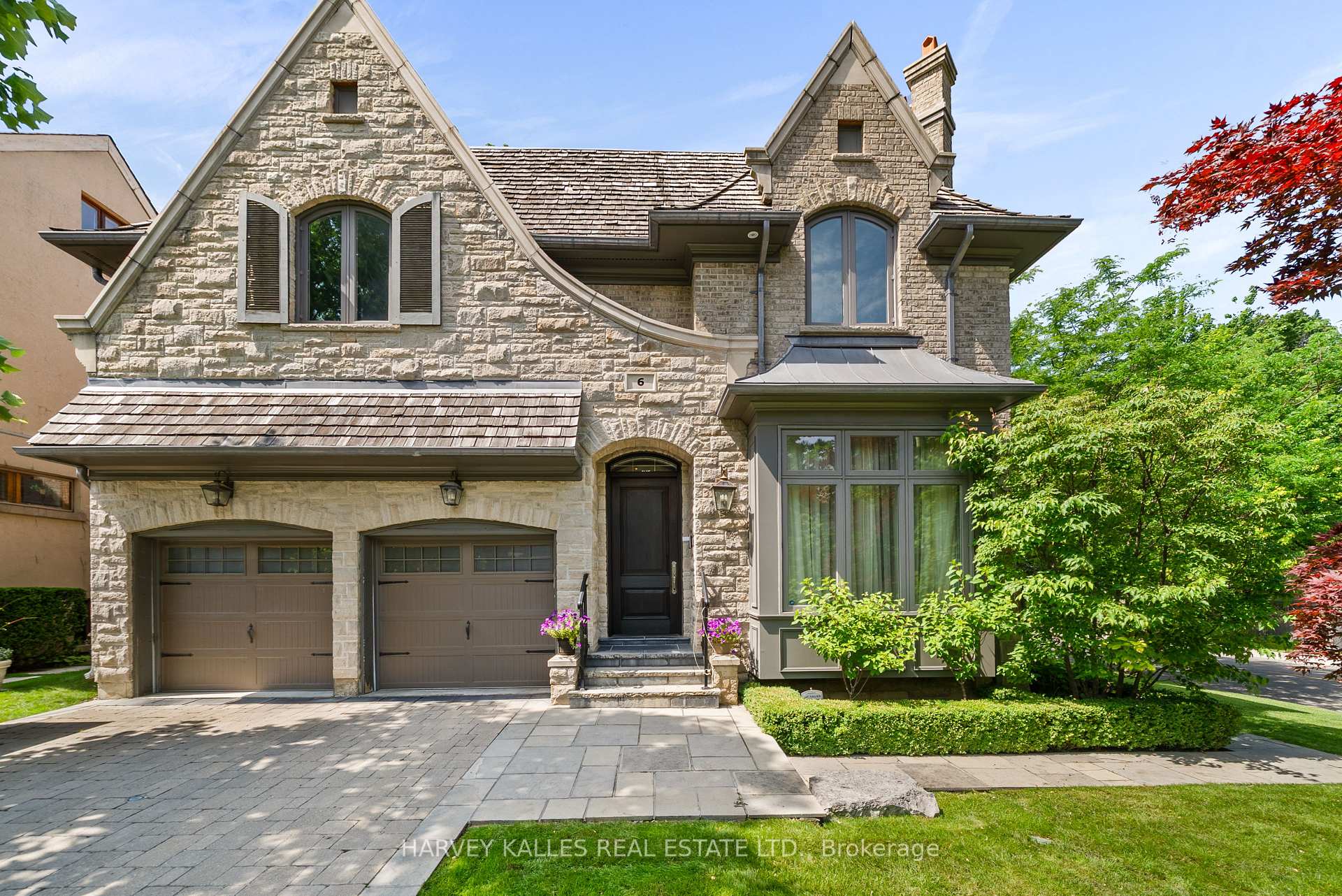
As of March 2026, TRREB's C03 and C04 market areas recorded 14 detached sales across Forest Hill South and Forest Hill North. The average sale price was $2,902,286 and homes averaged 9 days on market. These are area-level figures, not a valuation of any individual property.

Education
What schools are in Forest Hill?
Boards assign a home school per address, so two houses on the same street can be served differently, and boundaries, programs and enrolment rules change. Look up your exact address with the board before it matters.
| JK-8 | Public | Forest Hill Junior and Senior Public School | 8.3/10 Provincial rank 260 of 3,052 |
| JK-6 | Public | Oriole Park Junior Public School | Not ranked Not included in the Fraser report |
| JK-6 | Public | Brown Junior Public School | 7.0/10 Provincial rank 873 of 3,052 |
| JK-8 | Catholic | Holy Rosary Catholic School | 8.6/10 Provincial rank 182 of 3,052 |
| JK-6 | Public | North Preparatory Junior Public School | 6.3/10 Provincial rank 1,348 of 3,052 |
| JK-6 | Public | Hillcrest Community School | 7.8/10 Provincial rank 447 of 3,052 |
| 6-8 | Public | Hodgson Middle School | Not ranked Fraser does not rank grades 7–8 |
| 9-12 | Public | Forest Hill Collegiate Institute | 7.5/10 Provincial rank 142 of 747 |
| 9-12 | Public | Jarvis Collegiate Institute | 4.1/10 Provincial rank 649 of 747 |
| 9-12 | Public | North Toronto Collegiate Institute | 8.4/10 Provincial rank 46 of 747 |
Find the School Assigned to an Address
Each address is assigned to a specific public school, and boundaries can vary by street. Always confirm the designated school with the local school board. Private schools have separate admission requirements.
Community profile
Who lives in Forest Hill?
The City of Toronto statistical profiles used for this guide cover 23,150 residents in 10,325 households, with an average household size of 2.2, an average age of 43.6 and median household incomes ranging from $90,000–$109,000. Select any segment to read what it represents.
Community statistics combine the City of Toronto's Forest Hill South and Forest Hill North neighbourhood profiles. These statistical areas do not define Forest Hill's exact neighbourhood boundary.
Parks, shops & local favourites
What is there to do in Forest Hill?
A glimpse of what you'll find around the neighbourhood. Open the full directory to explore more local places.
Restaurants & dining 8
Grocery & shopping 1
Gym & fitness 2
Recreation & parks 7
Frequently asked questions
Questions about Forest Hill
What are the boundaries of Forest Hill?
No single boundary is used by every resident, service or data source. For the community statistics on this page, HomeLife combines the City of Toronto's Forest Hill South and Forest Hill North profiles, which together describe 23,150 residents.
What types of homes are found in Forest Hill?
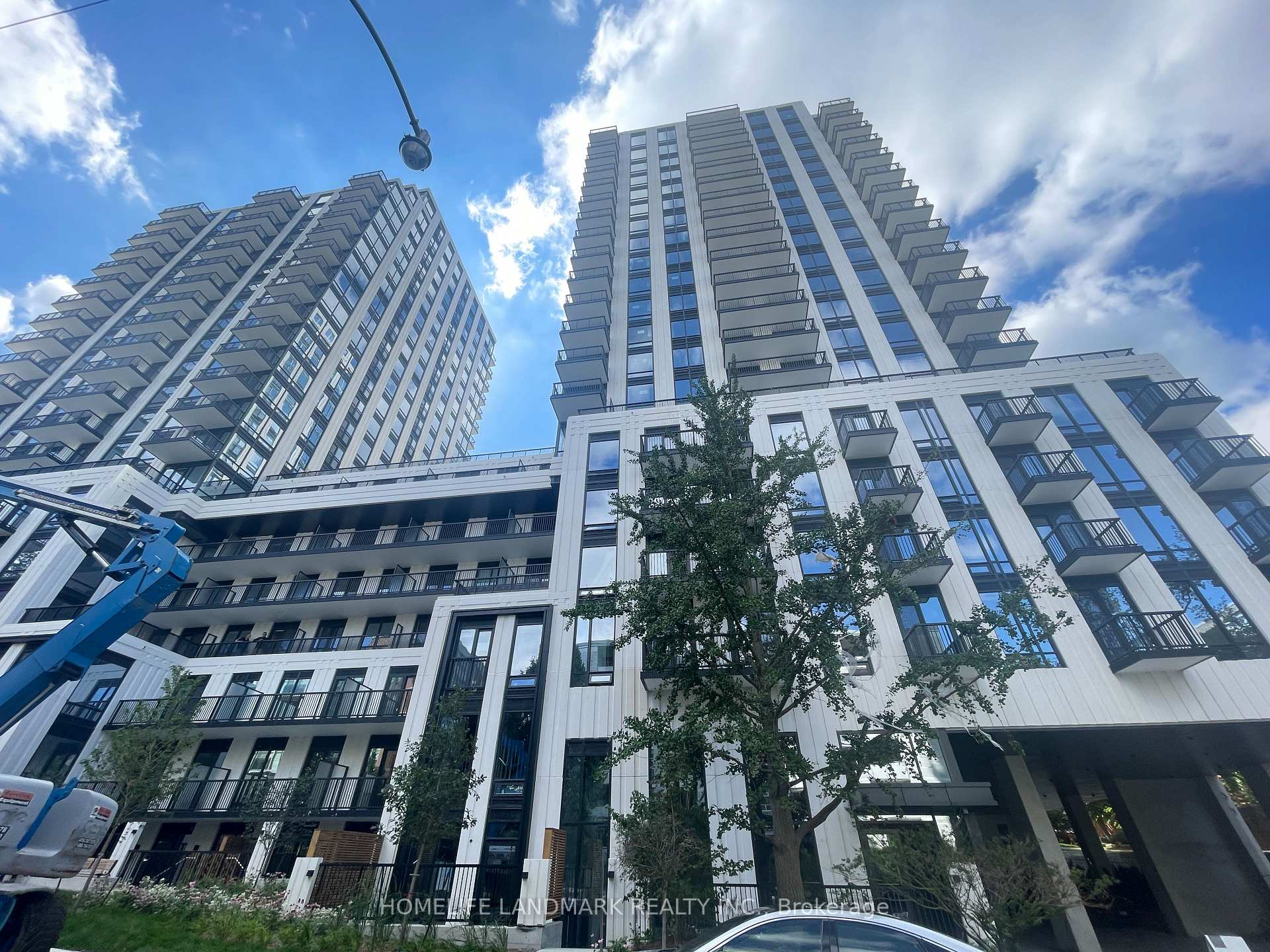
High-rise apartments make up about 53 per cent of dwellings and detached houses about 30 per cent. About 58 per cent of households rent rather than own, so the mix of tenure and building type changes noticeably from street to street.
Is Forest Hill a good neighbourhood for families?
About 32 per cent of households include children, and the average household size is 2.2. Suitability still depends on the exact address, school eligibility, housing budget and commute.
What is the Forest Hill housing market like?
TRREB's C03 and C04 market areas recorded 22 sales across Forest Hill South and Forest Hill North, with an average sale price of $2,209,138 and an average of 25 days on market. These are area-level figures, not a valuation of any individual property.
Who lives in Forest Hill?
Median household income across the combined profiles runs from $90,000 to $109,000, and 57 per cent of residents aged 25 to 64 hold a bachelor's degree or higher. The community section on this page breaks the figures down further.
How do people get around Forest Hill?
Forest Hill's Walk Score ratings are walking 85, transit 82 and cycling 83 on the 100-point scale. Actual travel time depends on the address, the time of day and service conditions.